
Coconut water has become one of the most popular natural beverages in the world. Praised for its refreshing taste and natural electrolyte content, it is often marketed as a healthy alternative to sugary soft drinks and artificial sports beverages.
Many people also believe coconut water offers special benefits for kidney health. Some claim it can “cleanse” the kidneys, prevent kidney stones, or improve kidney function. But how much of this is supported by scientific evidence?
The truth is more nuanced. Coconut water contains several nutrients that may support overall hydration and certain aspects of kidney health, but it is not a miracle cure. Understanding both its potential benefits and limitations can help people make informed decisions about including it in their diet.

What Is Coconut Water?
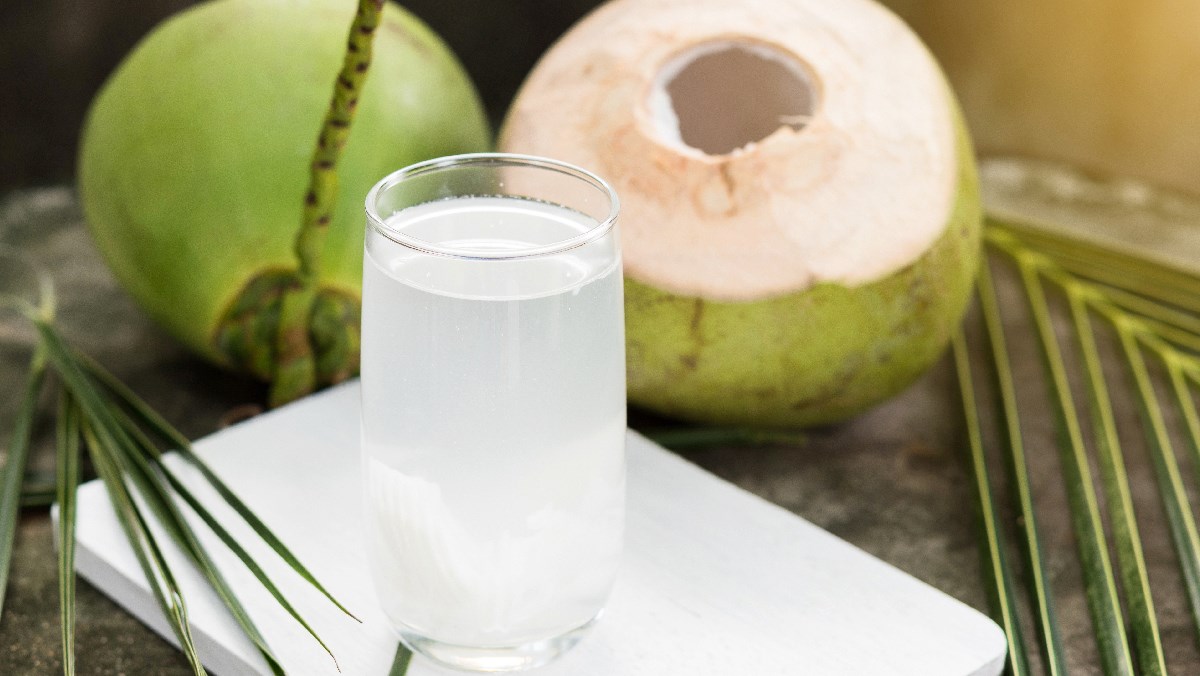
Coconut water is the clear liquid naturally found inside young green coconuts.
Unlike coconut milk, which is made from coconut flesh, coconut water is:
- Naturally low in fat
- Relatively low in calories
- Rich in electrolytes
- Mostly water
It contains important minerals such as:
- Potassium
- Magnesium
- Calcium
- Sodium
- Phosphorus
These nutrients play important roles in maintaining fluid balance and supporting various body functions.
Why the Kidneys Matter
The kidneys are among the body’s most important organs.
Every day they help:
- Filter waste products
- Remove excess fluids
- Balance electrolytes
- Regulate blood pressure
- Support red blood cell production
- Maintain mineral balance
Healthy kidneys work continuously to keep the body’s internal environment stable.
Because hydration is essential for kidney function, beverages naturally play an important role in kidney health.
Coconut Water and Hydration
One of coconut water’s greatest strengths is its ability to support hydration.
Because it contains natural electrolytes, it may help replace fluids lost through:
- Sweating
- Exercise
- Hot weather
- Mild dehydration
Proper hydration helps the kidneys perform their filtering functions efficiently.
When the body is adequately hydrated:
- Urine remains diluted
- Waste products are removed more effectively
- Kidney workload may be reduced
However, ordinary water remains an excellent hydration choice as well.
The Role of Potassium
Coconut water is particularly known for its potassium content.
Potassium helps regulate:
- Fluid balance
- Muscle function
- Nerve signaling
- Blood pressure
In healthy individuals, the kidneys help maintain proper potassium levels by removing excess amounts when necessary.
Researchers have studied potassium-rich diets because of their potential role in supporting cardiovascular health and blood pressure management.
Can Coconut Water Help Prevent Kidney Stones?
This is one of the most frequently discussed potential benefits.
Kidney stones develop when certain minerals and compounds become concentrated in urine and form crystals.
Researchers have investigated whether coconut water may influence factors associated with stone formation.
Some studies suggest coconut water may:
- Increase urine production
- Promote hydration
- Reduce crystal formation under certain conditions
Because adequate hydration is one of the most important strategies for reducing kidney stone risk, coconut water may contribute as part of an overall hydration plan.
However, more research is needed before definitive conclusions can be made.

Coconut Water and Blood Pressure
High blood pressure is one of the leading causes of kidney disease worldwide.
Because coconut water contains potassium, researchers have explored whether it may help support healthy blood pressure levels.
Potassium helps balance sodium within the body.
A healthy potassium intake may contribute to cardiovascular health when consumed as part of a balanced diet.
Since kidney health and blood pressure are closely connected, this relationship continues to attract scientific interest.
Can Coconut Water “Detox” the Kidneys?
Many advertisements and social media posts claim coconut water can:
- Detox the kidneys
- Flush out toxins
- Cleanse the urinary system
These claims are often exaggerated.
The kidneys already perform natural detoxification functions continuously.
No beverage can magically cleanse the kidneys or remove all toxins.
Instead, kidney health is best supported through:
- Adequate hydration
- Healthy eating
- Blood pressure control
- Blood sugar management
- Regular medical care
Is Coconut Water Better Than Plain Water?
Not necessarily.
For most healthy people:
Plain Water
- Contains no calories
- Contains no sugar
- Provides excellent hydration
Coconut Water
- Provides hydration
- Contains electrolytes
- Adds minerals such as potassium
Each can play a role depending on individual needs.
Many experts view coconut water as a useful hydration option rather than a replacement for water.
Who Should Be Careful With Coconut Water?
Although coconut water is generally safe for most healthy individuals, some people should exercise caution.
People With Kidney Disease
Individuals with impaired kidney function may have difficulty regulating potassium levels.
Because coconut water can contain significant amounts of potassium, excessive intake may not be appropriate for everyone with kidney disease.
People Taking Certain Medications
Some medications influence potassium balance.
Examples include certain:
- Blood pressure medications
- Kidney medications
Individuals taking these medications should follow their healthcare provider’s guidance.
Other Potential Benefits Being Studied
Researchers continue investigating coconut water for potential roles in:
- Exercise recovery
- Hydration
- Blood pressure regulation
- Metabolic health
While early findings are promising in some areas, more large-scale studies are needed.
Common Myths About Coconut Water
Myth: Coconut Water Repairs Damaged Kidneys
False.
There is no evidence that coconut water can reverse established kidney damage.
Myth: More Coconut Water Is Always Better
False.
Excessive consumption may not be appropriate for everyone, especially those with kidney disorders.
Myth: Coconut Water Prevents All Kidney Stones
False.
Kidney stone formation depends on many factors, including:
- Genetics
- Diet
- Fluid intake
- Medical conditions
Supporting Kidney Health Beyond Coconut Water
The most important habits for protecting kidney health include:
- Staying hydrated
- Managing blood pressure
- Controlling blood sugar
- Maintaining a healthy weight
- Limiting excessive sodium intake
- Exercising regularly
- Avoiding smoking
- Attending routine medical checkups
These habits have a far greater impact on long-term kidney health than any single beverage.
Final Thoughts
Coconut water is a refreshing beverage that provides hydration along with naturally occurring electrolytes such as potassium and magnesium. Research suggests it may support hydration and could potentially contribute to factors associated with kidney stone prevention, although more studies are needed.
While coconut water can be part of a healthy diet, it is not a cure-all for kidney problems and should not be viewed as a substitute for medical treatment. For most healthy individuals, moderate consumption can be a nutritious hydration option, but those with kidney disease or conditions affecting potassium balance should consult a healthcare professional before making it a daily habit.
Ultimately, the best approach to kidney health remains a combination of proper hydration, balanced nutrition, healthy lifestyle habits, and regular medical care.