Cultural Roots and Misconceptions
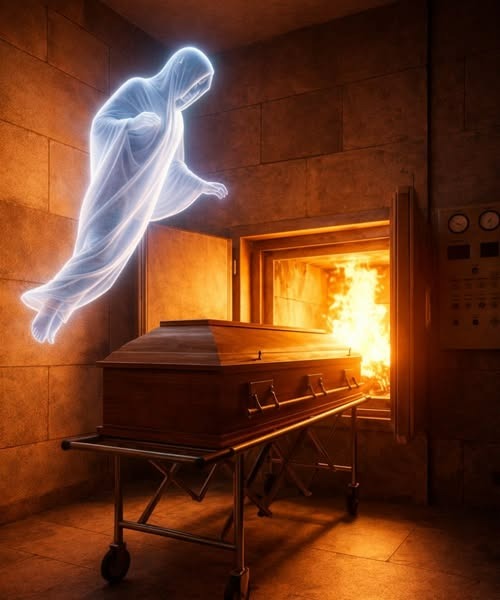
Historically, cremation was associated with pagan religions—particularly in cultures that denied bodily resurrection (like ancient Greece and Rome). This association made early Christians reject it as contrary to their beliefs.
But intent matters. Today, most people choose cremation for reasons unrelated to theology:
- Cost savings
- Simplicity
- Environmental concerns
- Mobility (scattering ashes where meaningful)
These motivations are far removed from ancient idolatry.
Modern Christian Perspectives: Unity in Hope
Today, most major Christian denominations—including Catholics, Anglicans, Evangelicals, and many Protestants—accept cremation, provided it’s done with reverence and not as a denial of resurrection.
The Catholic Church lifted its ban on cremation in 1963 and now permits it, as long as ashes are treated with dignity (e.g., kept in a sacred place, not scattered casually).
Similarly, many Protestant leaders emphasize that salvation depends on Christ—not caskets or crematoriums.
As theologian R.C. Sproul once said:
“If God can create humanity from dust, He can certainly resurrect someone from ashes.”