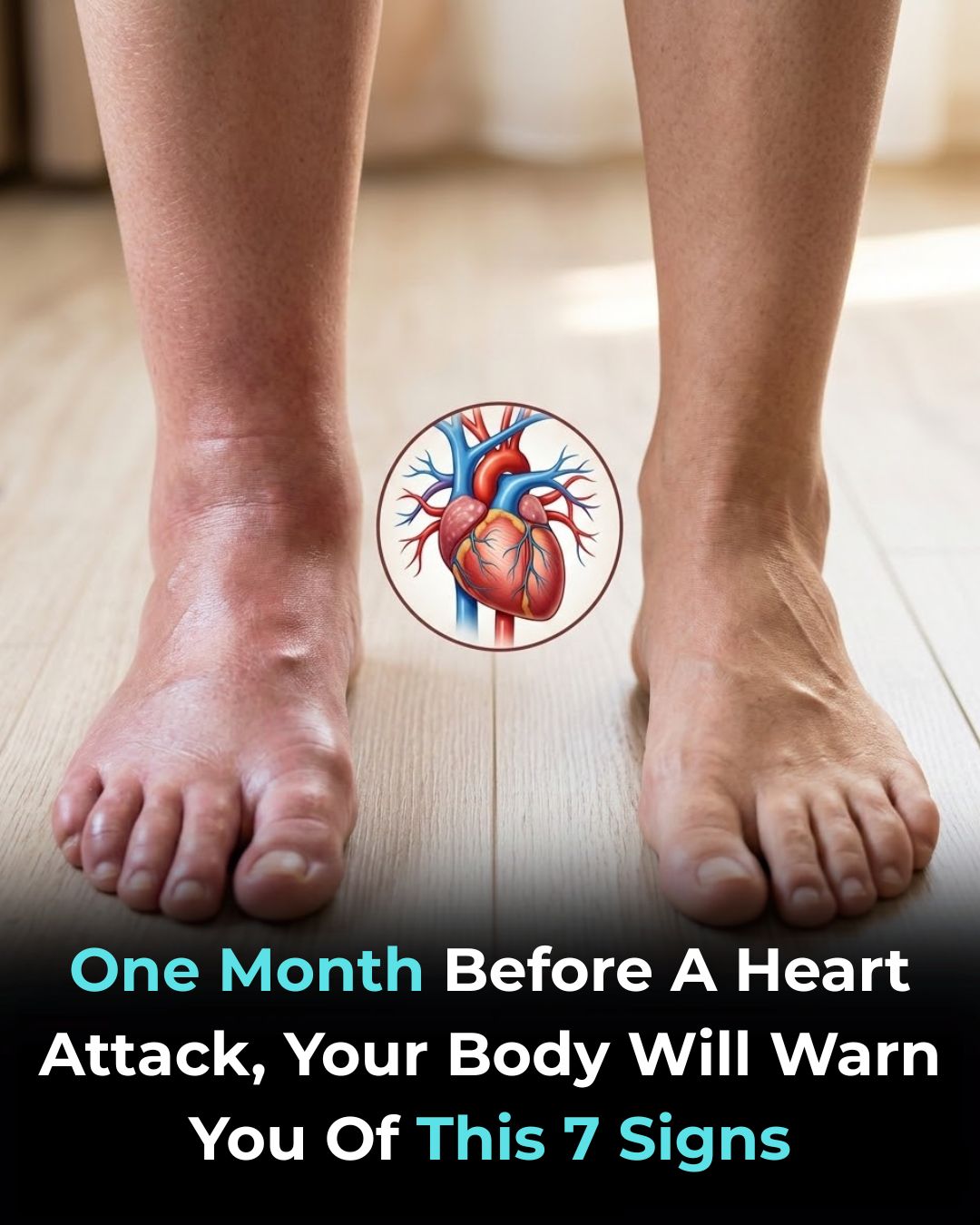
In the weeks before a heart attack, coronary arteries may gradually narrow due to plaque buildup, reducing blood flow to the heart muscle. The heart compensates by working harder, but over time, this strain can manifest as the subtle symptoms described above. Importantly, these signs represent the body’s attempt to signal distress—not a guarantee that a heart attack is imminent.
Research indicates that symptom presentation varies significantly:
→ Women more frequently report fatigue, breathlessness, and nausea rather than classic chest pain
→ Older adults may experience atypical or muted symptoms
→ Up to one-third of heart attacks occur with minimal or no preceding warning
Who Should Be Especially Vigilant?
While anyone can experience cardiac events, heightened awareness is advisable if you have:
✓ High blood pressure or cholesterol
✓ Diabetes or metabolic syndrome
✓ Smoking history
✓ Family history of early heart disease
✓ Obesity or sedentary lifestyle
✓ Chronic kidney disease
✓ History of preeclampsia (for women)
A Responsible Path Forward
If you notice persistent, unexplained changes—especially multiple symptoms occurring together:
Don’t panic, but do act
Many causes of these symptoms are benign, but professional evaluation provides clarity and peace of mind.
Consult your healthcare provider promptly
Describe symptoms factually: when they began, frequency, triggers, and associated sensations.
Request appropriate screening if indicated
Your provider may recommend blood pressure monitoring, lipid panels, electrocardiograms (ECG), stress testing, or echocardiography based on your risk profile.
Maintain a symptom journal
Note timing, duration, and context—this aids clinical assessment.