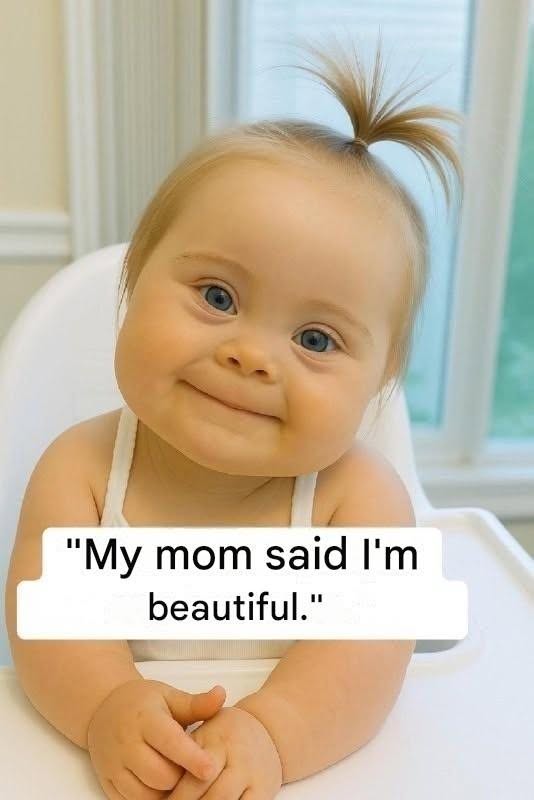
Children with Down syndrome bring joy, resilience, and unique perspectives to their families and communities. With the right support, they can lead fulfilling lives, develop meaningful relationships, and achieve their personal goals. Increased awareness and inclusion have helped create more opportunities for children with Down syndrome to thrive at home, at school, and in society.
What is Down syndrome?
Down syndrome is a genetic condition that occurs when a person is born with an extra copy of chromosome 21. Instead of the usual two copies, people with Down syndrome have three copies, also known as trisomy 21. This extra genetic material affects development and results in certain physical characteristics and varying degrees of intellectual disability.
According to the Centers for Disease Control and Prevention, Down syndrome is one of the most common chromosomal conditions diagnosed in the United States.
Common Characteristics
Children with Down syndrome may share some physical traits, including:
A flattened facial profile
Upward-slanting eyes
A single deep crease across the palm
Low muscle tone (hypotonia)
Short stature
However, every child is unique. Not all children will have all of these characteristics, and their personalities, talents, and interests vary greatly.
In addition to physical characteristics, children with Down syndrome may experience developmental delays. These can affect speech, motor skills, and learning. Early intervention services, such as physical therapy, speech therapy, and occupational therapy, can provide significant support for their development. Health Considerations
Some children with Down syndrome may have associated health problems, including:
Congenital heart defects
Hearing or vision problems
Thyroid disorders
Increased susceptibility to infections
Regular medical care and follow-up help ensure these conditions are identified and treated early. Advances in medical care have greatly improved the life expectancy and quality of life for people with Down syndrome.