You Won’t Believe What Your Hip Pain May Be Trying to Tell You — Here’s What Doctors Want You to Know


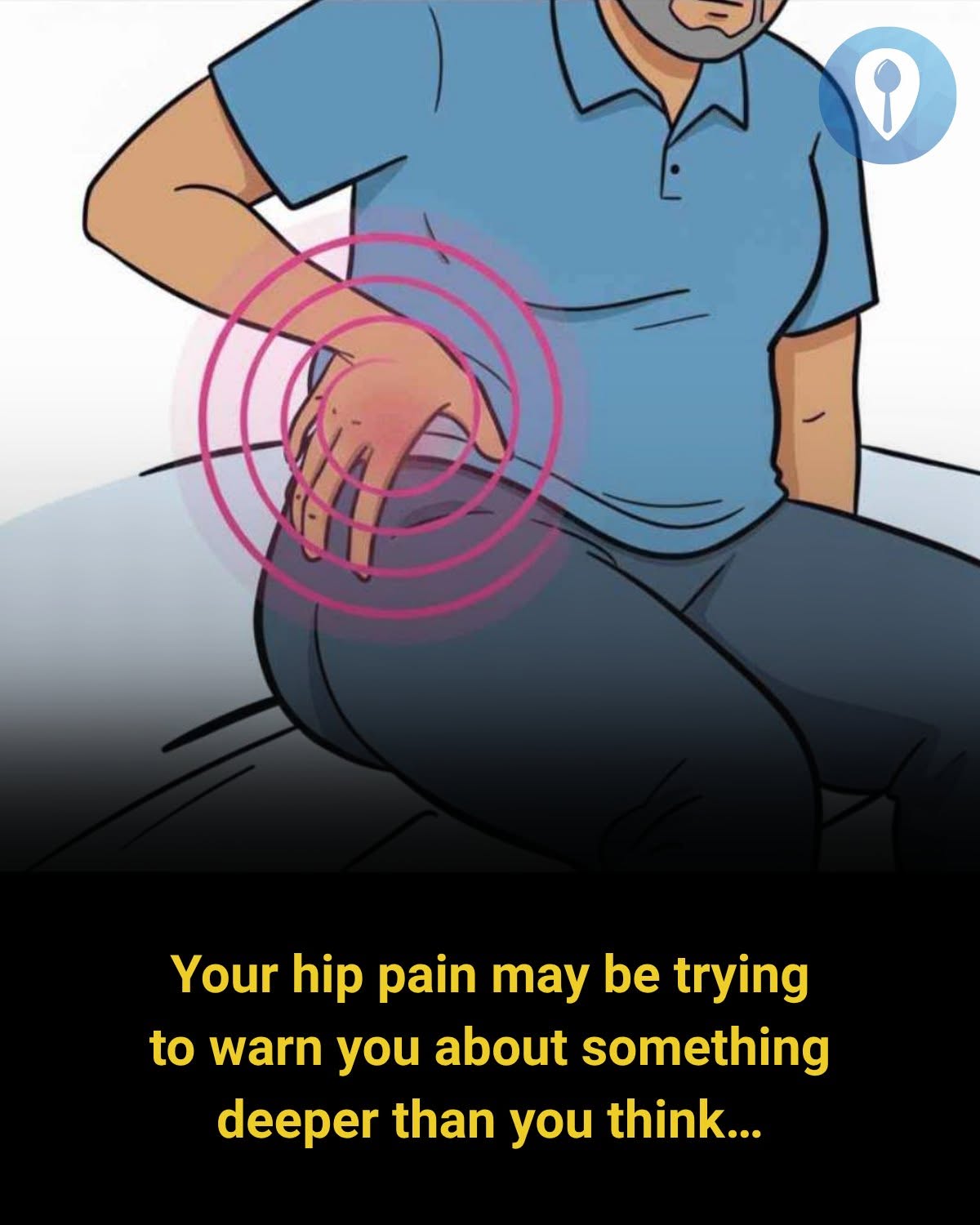
Hip pain is one of the most common physical complaints among adults, yet many people ignore it until it becomes severe. Some assume it is simply caused by aging or overexertion, but health experts say persistent hip pain may sometimes signal deeper problems involving joints, nerves, muscles, or even internal health conditions.
Doctors emphasize that understanding the source of hip pain is important because treatment depends heavily on the underlying cause.
Hip Pain Doesn’t Always Start in the Hip
Many people are surprised to learn that pain felt around the hips may actually originate elsewhere in the body.
Experts explain that hip discomfort may be linked to:
- Lower back problems
- Sciatic nerve irritation
- Arthritis
- Muscle strain
- Poor posture
- Joint inflammation
- Injuries from exercise or repetitive movement
Because nerves in the lower body are interconnected, pain can sometimes travel from the spine down into the hips and legs.
Arthritis Is One of the Most Common Causes


Doctors say osteoarthritis is among the leading causes of chronic hip pain, especially in older adults.
This condition occurs when cartilage inside the joint gradually wears down, leading to:
- Stiffness
- Pain during movement
- Reduced flexibility
- Difficulty walking
Symptoms often worsen over time if not properly managed.
Sciatica and Nerve Problems May Trigger Hip Pain
Hip pain may also be related to sciatica, a condition involving irritation of the sciatic nerve.
People with sciatica often experience:
- Sharp pain radiating down the leg
- Burning sensations
- Tingling
- Numbness
- Lower back pain
Long periods of sitting, spinal issues, or poor posture may contribute to nerve compression.
Muscle Strain and Sedentary Habits Can Make It Worse


Modern lifestyles may also increase hip discomfort.
Experts warn that:
- Sitting for long hours
- Lack of exercise
- Weak core muscles
- Poor flexibility
can place extra stress on the hips and lower back.
Athletes and active individuals may also develop hip pain from overuse injuries or repetitive movement.
Warning Signs You Shouldn’t Ignore
Doctors recommend medical evaluation if hip pain:
- Persists for weeks
- Becomes severe
- Causes limping
- Comes with swelling
- Limits movement
- Causes numbness or weakness
- Occurs after injury
Sudden inability to bear weight or intense pain may require urgent attention.
What May Help Relieve Hip Pain
Health professionals often recommend:
- Gentle stretching
- Regular movement
- Physical therapy
- Maintaining healthy weight
- Improving posture
- Avoiding prolonged sitting
Cold or warm compresses may also help reduce discomfort in some cases.
The Bottom Line
Hip pain is often more complicated than people realize. While many cases are linked to muscle strain or aging, others may involve arthritis, nerve compression, or spinal problems.
Experts say paying attention to persistent symptoms and seeking early treatment may help prevent long-term complications and improve mobility.